
The Brewery Zipf during the Nazi Era
The stance of Brau Union regarding commemorative work and the examination of the role of Brewery Zipf during the Nazi era is clear: commemorative work and remembrance of the horrific atrocities committed during the Nazi era are of the highest priority. In addition to actively participating in activities and initiatives related to remembrance and commemorative work in the region surrounding Zipf, the brewery also supports dedicated organizations and individuals to the best of its ability in their efforts to remember this period, document it scientifically, and continue its critical analysis. We welcome questions, new information, and insights that contribute to further engagement with our company’s history and the clarification of historical details.
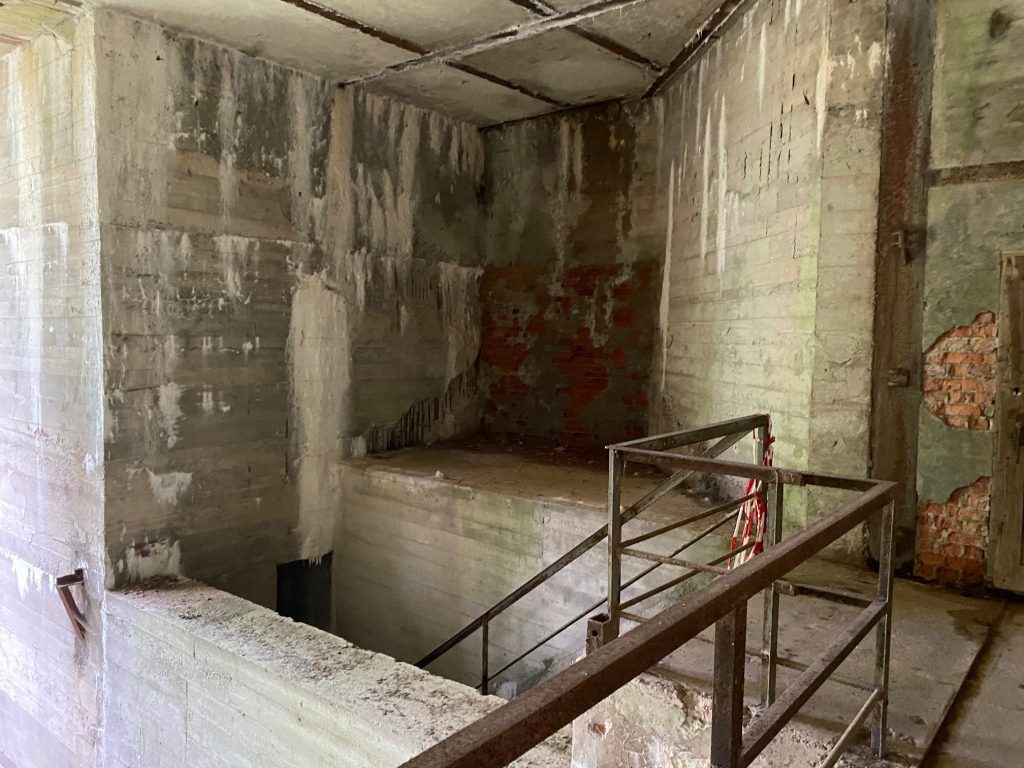
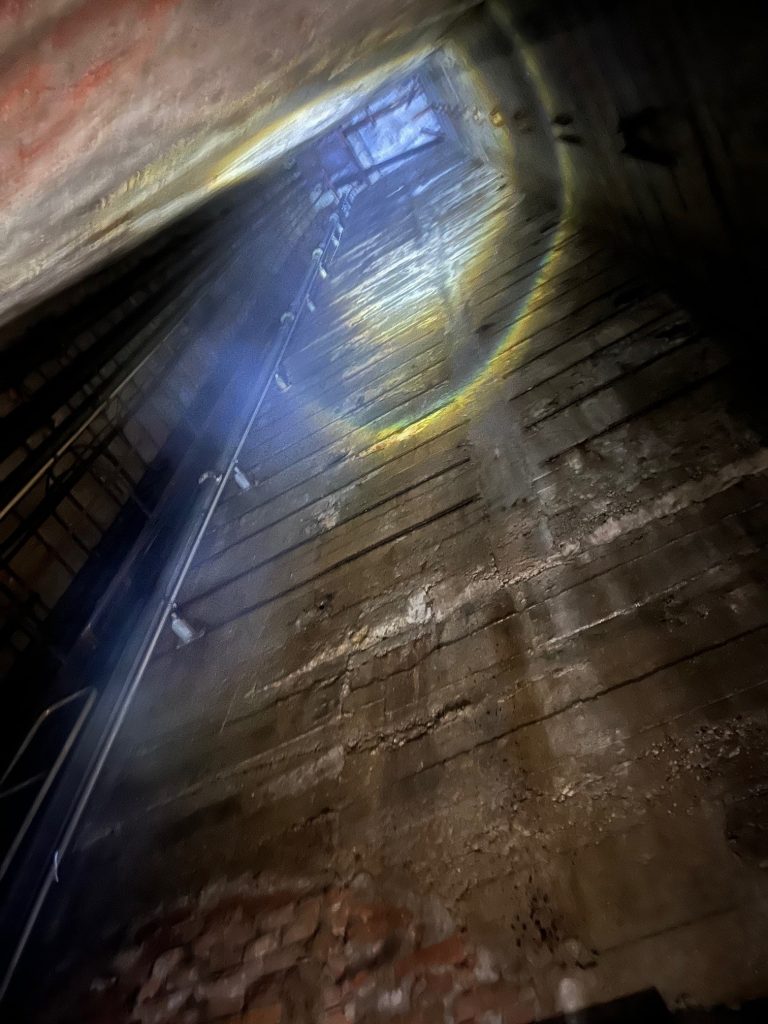
Part of the former Nazi armament facility “Schlier” is located on the brewery’s property, some of which is only accessible underground. The facility, now over 80 years old and largely in a state of disrepair, was used during the Nazi era for forced labor and other crimes against humanity. Prisoners from the Redl-Zipf concentration subcamp built a tunnel system, which was used for the production of fuel for the V2 rocket and later for testing rocket propulsion systems.
The public tours of the former Nazi armament facility “Schlier,” organized since 2008 by ARGE Schlier in cooperation with Brewery Zipf, are an essential part of the commemorative work and the critical examination of the brewery’s history during the Nazi era.
The Brewery Zipf and Memorial Culture
In addition to the tours of the underground facility, the book “Die Brauerei Zipf im Nationalsozialismus” (ISBN: 978-3-205-21479-3), published in 2021 by historian Mag. Dr. Stefan Wedrac from the University of Vienna, offers all interested parties a comprehensive and detailed insight into the role and function of the brewery during the Nazi era. For Brewery Zipf, it has always been, and remains a priority, to support the objective and scientific examination of its history to the greatest extent possible and to make its archives accessible for research projects